

Nissan Dashboard Lights Guide
Your complete breakdown of warning indicators, meanings, and when to service your vehicle at Nissan of Lexington Park.
Key Takeaways
- Every Nissan dashboard light falls into one of three buckets: informational, "get it checked soon," or "pull over now."
- Red lights generally mean stop and address it immediately; yellow or amber lights usually mean schedule service soon.
- The check engine light can indicate anything from a loose gas cap to a serious engine issue, so it always deserves a scan.
- Ignoring warning lights — especially oil, coolant, or brake alerts — can turn a small fix into an expensive repair.
- A quick diagnostic visit is usually faster and cheaper than guessing what a light means.
That little light popping up on the dash always seems to happen at the worst time — merging onto Route 235, halfway through a grocery run, whatever. Nissan of Lexington Park hears about it almost every day from drivers in California, MD, who just want a straight answer: is this a big deal or not? This guide breaks down Nissan dashboard warning lights one by one, so the next time something lights up, there's no guessing involved.
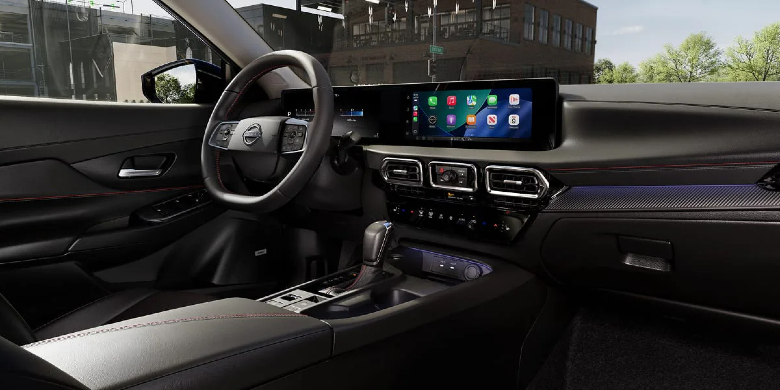
Nissan Dashboard Symbols Explained: What Each Light Means
Nissan uses a fairly standard set of icons across its lineup, but knowing the difference between "worth a phone call" and "pull over now" makes all the difference.
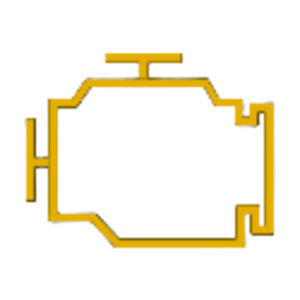
Check Engine Light
This is the one that gets the most questions. What does check engine light mean in a Nissan? It's the engine control module flagging something in the emissions, fuel, or ignition systems — anything from a loose gas cap to a misfiring cylinder. A steady light means schedule a diagnostic soon; a flashing light means reduce speed and get to a technician right away.
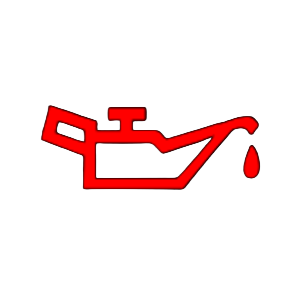
Oil Pressure / Oil Level Warning
The Nissan low oil pressure light appears as an oil can icon and indicates the engine isn't receiving enough lubrication. This isn't a "get to it this week" light — low oil pressure can cause serious engine damage in minutes. Pull over safely and check the oil level before driving further.
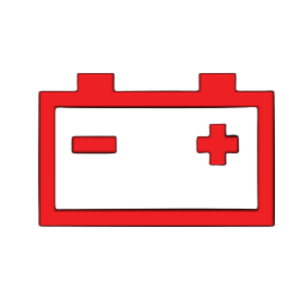
Battery / Charging System Light
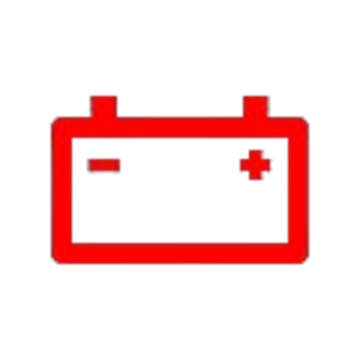
Shaped like a battery, this one signals that the charging system isn't keeping up. It could be a failing alternator, a loose belt, or corroded terminals. The car may still run for a while on battery power alone, but it won't start again once that charge runs out.
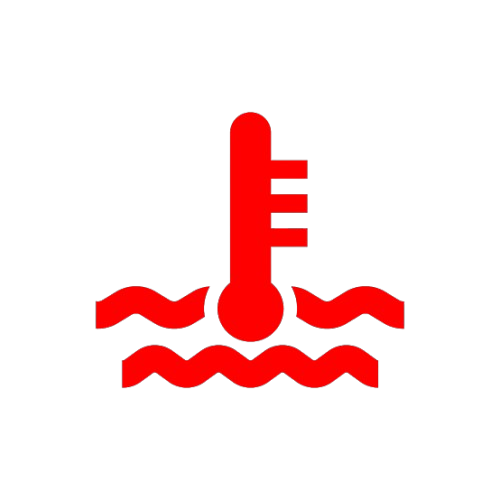
Coolant Temperature Warning
A thermometer icon means the engine is running hotter than it should. Driving on an overheating engine risks warping the head gasket or worse. Turn off the AC, pull over when safe, and let things cool down before continuing.
Brake System Warning Light
This light can mean anything from an engaged parking brake to low brake fluid or a bigger issue in the brake system itself. Because braking power is safety-critical, this one deserves attention the same day it appears.
ABS Warning Light
The anti-lock braking system light indicates the ABS itself isn't working properly, even though the regular brakes typically still function. Normal stopping still works, but the extra control ABS provides on wet or icy roads won't be there until it's fixed.
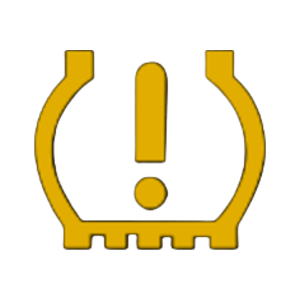
Tire Pressure Monitoring System (TPMS) Light
Shaped like a tire cross-section with an exclamation point, the tire pressure warning light indicates that one or more tires are below the recommended PSI. Temperature swings are a common trigger, but it's also worth checking for a slow leak.
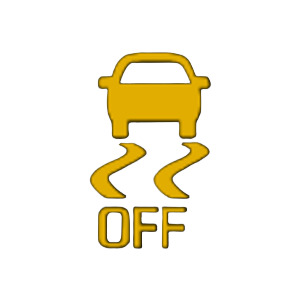
Traction or Stability Control Light
What is the traction control light on a Nissan? It's the system that helps keep the wheels from spinning or sliding on slippery surfaces. If it flickers during a rainstorm, that's normal — the system is working. If it stays on constantly, a sensor may need attention.
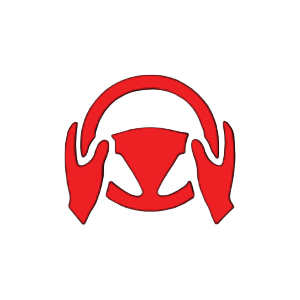
Hands Off Warning Light
Found in Nissans equipped with ProPILOT Assist, this light reminds the driver to keep hands on the wheel while the system is active. It's a safety prompt, not a mechanical issue, but ignoring it repeatedly can cause the driver-assist features to disengage.

Master Warning Light
This exclamation-point-in-a-triangle icon is a general alert that pairs with a message in the driver display. It's the vehicle's way of saying "check the message center" — the real detail is usually spelled out right next to it.
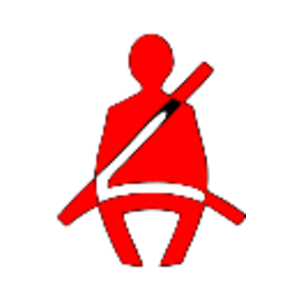
Seat Belt Warning Light
Simple and self-explanatory: a seat belt isn't buckled. It'll usually pair with a chime until the belt clicks into place.
Charge Warning Light
Common on Nissan's electrified models like the LEAF and Ariya, this light points to an issue with the charging system or battery pack rather than the traditional 12-volt battery. It's worth a service visit before the next charging cycle.
Car Warning Light Meanings: Color Matters as Much as the Icon
Red lights call for immediate action, while amber or yellow lights mean service should happen soon but the car is generally still drivable. Nissan, like most automakers, uses color as a shorthand for urgency across its car warning light meanings system. Red icons — brakes, oil pressure, coolant temperature — are tied to systems that can cause damage or safety issues within minutes if ignored, so those merit pulling over as soon as it's safe.
Amber or yellow lights, such as TPMS or traction control, usually indicate a fix is needed, but the vehicle can still be driven carefully to a service appointment. Green or blue lights are just status indicators, not warnings at all.
Knowing this color code helps take some of the panic out of that first glance at the dash, even before a technician weighs in.
Quick color guide
Red
Stop driving and address immediately
Amber/Yellow
Schedule service soon, drive with care
Green/Blue
Informational only, no action needed
Know the Light, Know the Next Step
A lit-up dashboard doesn't have to mean a stressful guessing game. Once the icons make sense, most Nissan drivers in California, MD, can tell right away whether something needs a same-day stop or just a routine appointment. This Nissan warning light guide is meant to take some of the mystery out of it — and Nissan of Lexington Park is always around to fill in the rest.
If one of these lights is currently on — or has been flickering on and off — a quick diagnostic check at Nissan of Lexington Park is an easy next step. Our service team can pull the exact code, explain what it means, and get things sorted before a minor issue turns into a bigger repair.
Nissan Dashboard Light FAQ
Is it safe to keep driving with the check engine light on?
It depends on whether the light is steady or flashing. A steady light usually allows for a short drive to get it checked, but a flashing light means reduce speed and seek service right away.
Why did my tire pressure light come on when nothing looks flat?
Cold weather can drop tire pressure enough to trigger the tire pressure warning light even without a visible leak. It's still worth checking all four tires to rule out a slow leak.
Can I drive if my battery light comes on?
For a short distance, yes, but the car may stall if the battery runs out of charge. It's best to head straight to a service center rather than run errands first.
What should I do if the brake warning light and ABS light come on together?
That combination often points to a bigger issue in the brake system and should be looked at the same day. Avoid highway driving until a technician has checked it.
Does a lit master warning light always mean something serious?
Not necessarily — it's a general alert that pairs with a specific message in the driver display. Check that message first, since it usually points to the actual issue.
How often should Nissan dashboard lights be checked even if nothing's on?
A yearly multi-point inspection catches small issues, like a weakening battery or worn brake pads, before they trigger a warning light.
Nissan of Lexington Park
Address:
22757 Three Notch Road, California, MD 20619
Service Department Hours:
- Monday - Friday: 7:00 AM - 6:00 PM
- Saturday: 7:00 AM - 3:00 PM
- Sunday: Closed
Have questions or need a diagnostic scan? Stop by our service center or contact our team today!